80m kilometres of power grid needs replacing says report
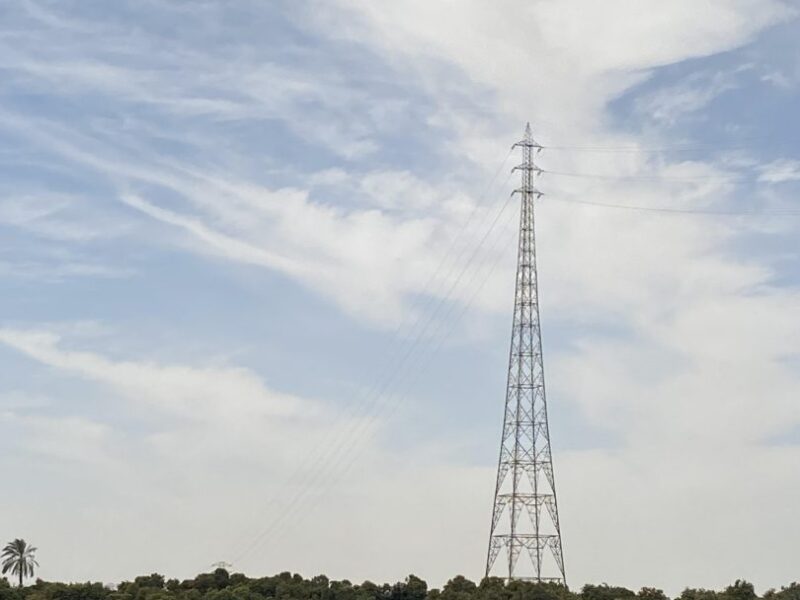
A global study has found that the world must add or replace 80 million km of power grids by 2040.
The 80km equates to all the power grids around the world and is necessary to meet national climate targets and support energy security says the International Energy Agency (IEA).
Major changes to how grids operate and are regulated are also essential, while annual investment in grids, which has remained broadly stagnant, needs to double to more than $600bn a year by 2030.
The report, Electricity Grids and Secure Energy Transitions, is the first of its kind and provides a stocktake of grids worldwide. It found that developments are not keeping pace with the rapid growth of key clean energy technologies such as solar, wind, electric cars and heat pumps.
- Quantum boost for Spanish power grid
- Report calls to faster renewal of UK electricity grid
- The vital importance of the power grid in the supply chain
Without greater policy attention and investment, shortfalls in the reach and quality of grid infrastructure could put the goal of limiting global warming to 1.5 °C out of reach and undermine energy security, the report warns.
Issues are already emerging. The report identifies a large and growing queue of renewables projects waiting for the green light to be connected to the grid, pinpointing 1500GW of projects that are in advanced stages of development. This is five times the amount of solar PV and wind capacity that was added worldwide last year.
“The recent clean energy progress we have seen in many countries is unprecedented and cause for optimism, but it could be put in jeopardy if governments and businesses do not come together to ensure the world’s electricity grids are ready for the new global energy economy that is rapidly emerging,” said Fatih Birol, Executive Director of the IEA. “This report shows what’s at stake and needs to be done. We must invest in grids today or face gridlock tomorrow.”
The demand on electricity grids is increasing. The adoption of electric cars and heat pumps means electricity is expanding while renewable energy projects are being added at a fast rate, requiring more power lines to connect them to electricity systems and high-functioning distribution grids to ensure reliable supplies for end customers. This includes the digitalisation of distribution grids and enabling more flexibility through demand response and energy storage.
- Europe connects its power grid to Ukraine and Moldova
- Building a functional power grid with renewable energy
- $45m for cyber tools to protect the power grid
A new scenario developed for the report, the Grid Delay Case, examines what would happen if grid investment is not scaled up quickly enough and regulatory reforms for grids are slow. It finds that cumulative carbon dioxide (CO2) emissions between 2030 and 2050 would be almost 60 billion tonnes higher due to a slower rollout of renewables that results in higher fossil fuel consumption. This would put the global temperature rise well above the Paris Agreement target of 1.5 °C, with a 40% chance of exceeding 2 °C.
The report identifies several strategic actions that can make a difference. These include expanding and strengthening grid interconnections within countries, between countries and across regions to make electricity systems more resilient and allow them to better integrate rising shares of solar and wind power.
The report recommends that governments back large-scale transmission projects to ensure grids are prepared for further strong growth in renewable power. And it urges grid developers and operators to embrace digitalisation to enable the grids of the future to be more resilient and flexible.
The need for decisive action is urgent because of the long lead times for modernising and extending grids. New grid infrastructure often takes 5 to 15 years to plan, permit and complete, compared with 1 to 5 years for new renewables projects and less than two years for new charging infrastructure for electric vehicles.
Improving and expanding grid infrastructure in countries worldwide will require stronger international collaboration. Emerging and developing economies, excluding China, have seen a decline in grid investments in recent years, despite robust electricity demand growth and ongoing efforts to meet energy access goals.
“Ensuring the developing world has the resources it needs to build and modernise electricity grids is an essential task for the international community,” said Dr Birol. “By mobilising financing, providing access to technology and sharing best practices on policies, leading economies can help improve people’s lives, strengthen sustainable development and reduce the risks of climate change.”
The IEA also flags that data is key to supporting the investment.
Open data platforms for power systems are in development in many places. Data at the transmission network level – including information on generation, system balancing and wholesale prices – is the most widespread, with examples in Belgium, Brazil, Italy and the United States.
These are designed to empower energy market actors to develop their own analytics tools, such as the IEA’s real-time electricity tracker, which provides data on electricity demand, generation and spot prices from more than 50 sources.
At the distribution and end-consumer level, platforms are still at a nascent stage, though examples in Brazil, Chile, France and the United Kingdom show promise. However, policy support and resources need to be allocated to ensure their viability beyond the pilot stage.
There are also emerging platforms to provide information on power system emissions based on historical or real-time data. RTE’s eCO2mix for France and Electricity Maps, which takes a global view, track the emissions intensity of electricity generation in real-time.
Even so, there are gaps says the IEA. Information on emissions, generation or real-time network conditions is not readily available in all jurisdictions. And even in jurisdictions in which this data is available, there may still be a need for platforms to process and present this information in a meaningful way.
Most importantly, as these platforms start to link small and large consumers, policy makers need to define clear guidelines to safeguard consumers’ private data while leaving open opportunities to safely grant third party access, which can facilitate greater collaboration and innovation.
 If you enjoyed this article, you will like the following ones: don't miss them by subscribing to :