AI memory squeeze could end in relief for RAM buyers
The current AI-driven memory squeeze is already reaching well beyond premium accelerator systems. IDC says rising DRAM and NAND prices, plus tighter availability, are reshaping the smartphone and PC markets in 2026, while TrendForce says PC DRAM contract prices in 1Q26 are set to jump by more than 100% quarter on quarter. As previously reported by eeNews Europe when SK hynix warned the shortage could last up to 2030, the pressure is no longer confined to HBM alone.
Short supply is not just a datacentre problem
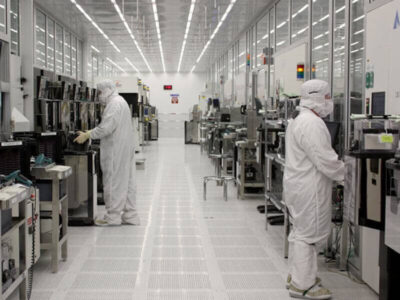
Micron said on 18 March that both AI and traditional server demand are being constrained by inadequate DRAM and NAND supply, and it also pointed to cleanroom limitations, long construction lead times and a higher HBM mix as reasons supply cannot expand quickly. Samsung had already signalled the same broad market distortion in its 2025 interim business report, which said PC and mobile supply conditions had remained tight as suppliers focused on server products. That matters to buyers because once suppliers follow margin, mainstream DRAM stops behaving like a dull commodity and starts moving to AI’s timetable.
Capacity is being added hard and fast
That does not mean today’s shortage becomes permanent. SK hynix said in February that it would invest about 21.6 trillion KRW, roughly $15 billion, in new Yongin facilities and move the first cleanroom opening forward to February 2027. The company had already said in April 2024 that M15X in Cheongju would involve more than 5.3 trillion KRW, about $4 billion, in construction to expand next-generation DRAM capacity including HBM-related output. Samsung, meanwhile, told investors this month that it plans to invest more than 110 trillion KRW in facilities and R&D in 2026 to secure leadership in AI semiconductors. A WSTS forecast published in December still points to strong memory-led semiconductor growth in 2026, so a glut is not the consensus case today. But the industry is plainly building for a future much bigger than the one buyers outside AI are living in now.
For RAM buyers, a glut would look like relief
That is why a later swing into oversupply would not be bad news for most of the market. It would be bad news for manufacturers trying to preserve AI-era margins, but it would look more like overdue relief to Raspberry Pi users, PC builders, device makers and gamers. The demand case for endless scarcity is also less absolute than some of the rhetoric implies. In its DeepSeek-V3 technical report, DeepSeek said full training took 2.788 million H800 GPU hours and put the official training cost at $5.576 million, excluding earlier research and ablation work.
That is not a direct forecast of lower memory demand, but it does weaken the idea that every useful advance in AI must require bottomless hardware spending. If aggressive capacity build-outs arrive just as AI infrastructure spending becomes more selective, the next memory glut may be remembered less as a disaster than as the point when RAM finally started acting normal again.
 If you enjoyed this article, you will like the following ones: don't miss them by subscribing to :