Alibaba drone listings expose a combat-drone grey market
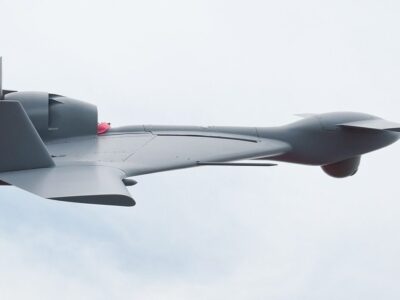
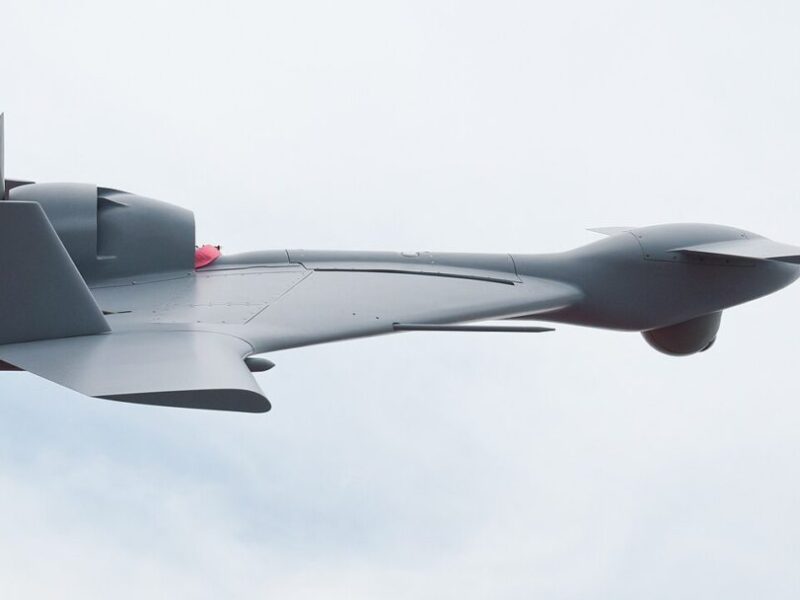
Alibaba drone listings uncovered by the Australian ABC investigation have thrown an awkward light on the way dual-use autonomous aircraft can be marketed as commercial platforms while being pitched very differently in sales material. According to the report, some fixed-wing systems offered through Alibaba storefronts were described in accompanying catalogues as “cruise missiles” or “suicide attack drones”, even while the public-facing listings framed them as tools for aerial mapping or agricultural spraying.
Alibaba drone listings and the dual-use problem
The striking point is not simply that aggressive language appeared in sales brochures. It is that the brochures reportedly outlined payload, range and guidance functions that push these aircraft well beyond the normal expectations for civilian survey platforms. ABC said some of the systems had dimensions and claimed performance close to the Iranian Shahed 136 family, while one smaller design was presented as able to deliver a 2 kg payload over 100 km. The same report said some catalogues referred to thermal-imaging-based AI guidance and autonomous target locking.
Alibaba said it removed the non-compliant listings and suspended the sellers once it had been alerted. That response matters, but it does not resolve the bigger issue. A marketplace can prohibit military hardware on paper and still struggle when aircraft, motors, guidance electronics and airframes sit in the messy overlap between commercial UAVs and disposable strike systems. In that respect, the story is less about one platform and more about how thin the line has become between logistics drone, survey aircraft and one-way weapon.
Alibaba drone listings despite export controls
China tightened UAV export-control rules in 2024, including measures covering certain key components and a prohibition on exports of civilian drones intended for military use. Yet that same policy update underlines the practical enforcement problem: intent is hard to police when a seller can describe the same airframe in one place as commercial and in another as combat-capable. That is why the Alibaba drone listings matter beyond the immediate embarrassment for the company.
Experts cited by ABC, including UNSW lecturer Oleksandra Molloy, University of Birmingham professor David Dunn and Australian Strategic Policy Institute analyst Malcolm Davis, argued that low-cost autonomous aircraft have created an international free-for-all in access to drone technology. That broader point is hard to dismiss. The enabling technologies are increasingly standardised, globally sourced and often developed for legitimate civilian work first.
There is also a wider industry context. As previously reported by eeNews Europe when Leonardo set up a military AI drone joint venture with Baykar, unmanned systems are now central to defence planning as well as civilian automation. The underlying technologies — navigation, imaging, autonomy, communications and power electronics — are largely the same ones driving mainstream drone development.
That leaves regulators, marketplaces and suppliers stuck with an old compliance model in a market that has already moved on. The ABC report stops short of proving that the listed sellers could really deliver everything they claimed. Even so, the combination of commercial storefronts, martial catalogues and low price points shows how accessible the language and business model of long-range attack drones has become.
 If you enjoyed this article, you will like the following ones: don't miss them by subscribing to :