BMW Group cuts EU fleet CO₂ emissions to 90 g/km in 2025
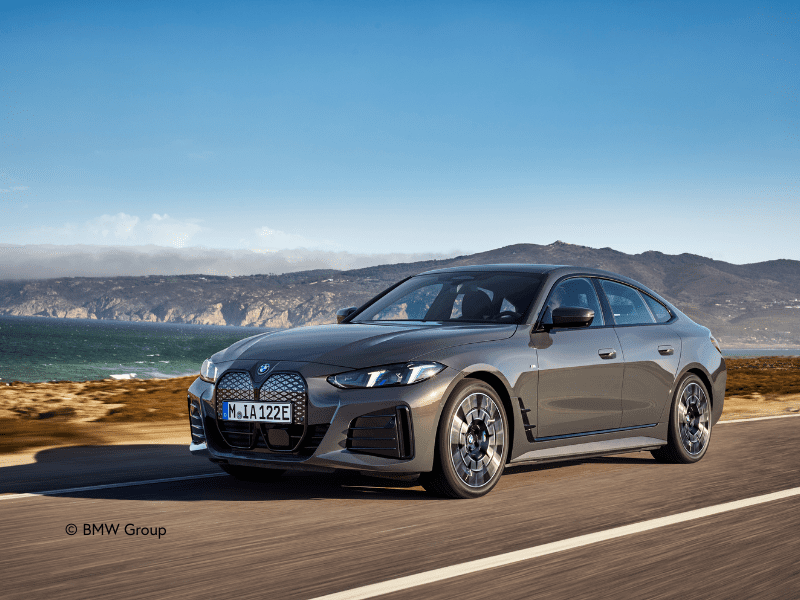
BMW Group has reported a further reduction in its average EU fleet wide CO₂ emissions for 2025, continuing a multi-year downward trend. According to preliminary internal calculations, average emissions across vehicles sold in the EU, Norway, and Iceland fell to 90.0 g/km under the WLTP cycle, compared with 99.5 g/km in 2024.
For eeNews Europe readers following regulatory compliance and powertrain strategy in the automotive sector, the update provides a concrete data point on how large OEMs are adapting their portfolios ahead of tightening EU emissions targets. It also illustrates how electrification and efficiency gains across multiple drivetrain types are being used to manage fleet averages.
Fleet targets and compliance context
The applicable EU fleet target for BMW Group in 2025 was 92.9 g/km, meaning the company remained below the regulatory threshold by 2.9 g/km. BMW Group stated that this was achieved without the use of regulatory flexibility mechanisms or pooling arrangements with other manufacturers.
Commenting on the results, Oliver Zipse, chairman of the board of management of BMW AG, said: “We once again overfulfilled Europe’s ambitious CO₂ targets in 2025 – without relying on flexibility mechanisms or pooling. This underlines that our technology-neutral approach and systematic CO₂ reduction are not contradictory but go hand in hand. The decisive factor is the efficiency of all the drive technologies we offer our customers.”
Electrification as a contributing factor
BMW Group attributed a significant share of the reduction in EU CO₂ emissions to the continued rollout of electrified vehicles. In 2025, more than 316,000 electrified vehicles, including plug-in hybrids and battery electric models, were delivered in the EU27+2 region. Electrified vehicles accounted for 41.1% of BMW Group’s European sales volume.
Fully electric vehicles represented around 26.3% of regional sales, with over 202,000 units delivered during the year. This sales mix is expected to provide a baseline for future models, including the BMW iX3, which will be the first production vehicle based on the company’s Neue Klasse platform from 2026.
Beyond tailpipe emissions, BMW Group reiterated its longer-term decarbonisation strategy, which covers supply chain, manufacturing, and vehicle use phases, with a stated aim of reaching net zero by 2050.
 If you enjoyed this article, you will like the following ones: don't miss them by subscribing to :