DRAM price surge lifts profits for Samsung, SK hynix and Micron
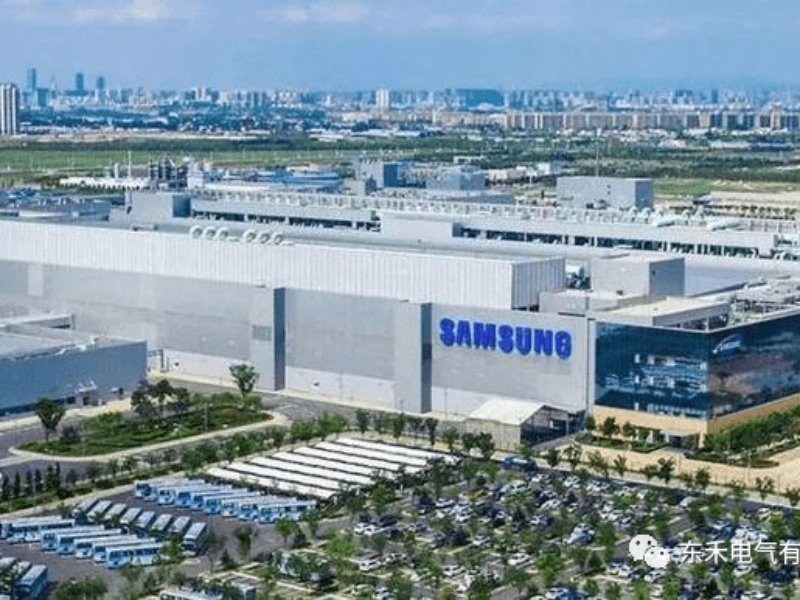
Samsung’s latest earnings guidance points to a sharp upswing in profitability, as the memory market tightens again on AI-led demand and constrained supply. Samsung says fourth-quarter 2025 consolidated sales were about 93 trillion won, with operating profit about 20 trillion won (midpoints), ahead of fuller results due later this month.
As previously reported by eeNews Europe when memory pricing started running hot again, the key dynamic is suppliers prioritising server and high-bandwidth memory while everyone else fights over what’s left. That trade-off is now showing up clearly in both pricing forecasts and financial results.
DRAM price surge fuels earnings
TrendForce now expects conventional DRAM contract prices to rise by about 55–60% quarter-on-quarter in 1Q26, with NAND flash contract prices up 33–38% quarter-on-quarter. Within DRAM, server pricing is projected to climb by more than 60% quarter-on-quarter, reflecting capacity being pulled towards AI servers and HBM.
That backdrop helps explain why Samsung is talking up a bumper quarter, and why rivals are also benefiting. SK hynix reported third-quarter 2025 revenue of 24.4489 trillion won and operating profit of 11.3834 trillion won, describing record-high quarterly performance driven by HBM and high-performance server products.
Micron is seeing similar momentum: it reported fiscal Q1 2026 revenue of $13.643 billion and guided to $18.70 billion (± $400 million) for fiscal Q2 2026, explicitly positioning memory and storage as an “AI enabler” as datacentre build-outs accelerate.
What the DRAM price surge means for buyers
For system builders and OEMs, the DRAM price surge is landing at an awkward time: AI infrastructure is soaking up leading-edge bits, while client markets still need steady supply for PCs, mobiles and consumer SSDs. TrendForce also forecasts client SSD contract prices rising by at least 40% quarter-on-quarter in 1Q26, as suppliers tilt NAND output towards datacentre SSDs.
In practice, the DRAM price surge may keep margins strong for memory makers through early 2026, but it raises bill-of-materials pressure elsewhere, particularly in segments that can’t easily pass costs on. Samsung itself has flagged that its guidance is based on K-IFRS midpoints, with full divisional detail expected on 29 January 2026.
 If you enjoyed this article, you will like the following ones: don't miss them by subscribing to :