EU invests €330M to fast-track fusion and nuclear innovation
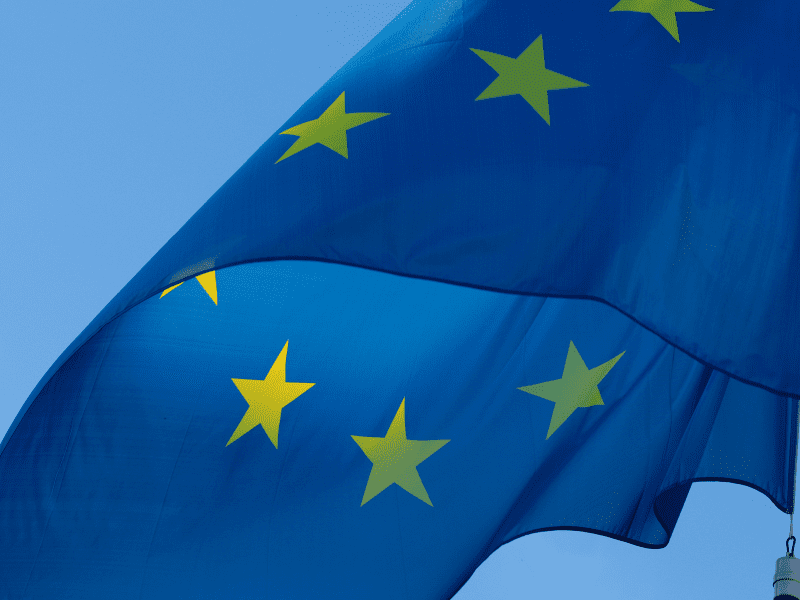
The European Commission has unveiled a €330 million investment package aimed at accelerating fusion energy and strengthening nuclear technologies under its 2026–2027 Euratom Research and Training Programme. The initiative is designed to complement Horizon Europe while reinforcing Europe’s long-term energy strategy.
For eeNews Europe readers, the move signals growing momentum in advanced energy technologies, particularly in fusion and small modular reactors (SMRs), with implications for supply chains, R&D investment, and engineering talent across the region.
Fusion moves closer to the grid
A major share of the funding — €222 million — will be directed toward fusion energy, highlighting the EU’s ambition to bring the first commercial fusion power plant online. The programme focuses on bridging the gap between laboratory research and industrial deployment.
Key measures include the creation of a European public-private partnership (PPP) to accelerate commercialization, as well as support for startups through European Innovation Council instruments. The plan also prioritizes workforce development and access to research infrastructure, ensuring that Europe builds both the technology and the skills base needed for fusion.
Fusion is widely viewed as a potential game-changer for clean energy, offering a virtually limitless and carbon-free power source. The EU’s approach suggests a coordinated push to secure leadership in what remains one of the most challenging areas of energy innovation.
Strengthening nuclear safety and skills
Beyond fusion, €108 million will be allocated to nuclear fission research, with a strong focus on safety, waste management, and advanced materials. The programme also addresses long-term operation of existing nuclear plants, as well as the development of SMRs and next-generation reactors.
Another priority is nuclear medicine, where funding will support research into isotope supply, a critical component for emerging therapies. At the same time, the programme aims to tackle the growing skills gap by attracting talent through initiatives such as Marie Skłodowska-Curie grants.
Open access to more than 230 nuclear research facilities across Europe will be expanded, alongside efforts to integrate Ukrainian researchers into the European Research Area.
Policy alignment and industry impact
The Euratom programme aligns with broader EU policies, including the Net-Zero Industry Act and the Clean Industrial Deal, and reflects rising electricity demand expected to double by 2050. It also reinforces the EU’s push for energy independence and technological sovereignty.
Ekaterina Zaharieva, Commissioner for Startups, Research and Innovation, said: “The EU wants to lead the world in innovative nuclear technologies, which will be key to securing our energy independence, competitiveness and decarbonisation. That is why we are working closely together with researchers, industry, startups and regulators on SMRs safety and to accelerate fusion energy, with the ambition to be the first to take fusion from lab to grid. For that, we need to ensure that our excellent science transforms seamlessly into innovation and industrial deployment.”
With funding now confirmed, attention will shift to execution — particularly how quickly Europe can translate research into deployable energy systems in an increasingly competitive global landscape.
 If you enjoyed this article, you will like the following ones: don't miss them by subscribing to :