Germany challenges EU 2035 ban on petrol and diesel cars
Germany is preparing to challenge the EU’s 2035 ban on petrol and diesel cars, with chancellor Friedrich Merz planning to ask Brussels for more flexibility on the phase-out of combustion powertrains. According to reports, Merz intends to write to European Commission president Ursula von der Leyen to argue for a more technology-neutral approach that would keep some combustion options on the table beyond the 2035 date.
For eeNews Europe readers, this potentially matters because any adjustment to the 2035 ban on petrol and diesel cars could reshape long-term powertrain strategies, platform roadmaps and investment decisions across Europe’s automotive electronics supply chain.
Germany seeks exemptions to protect its auto sector
The German government is expected to ask the Commission to soften the current regulation that effectively requires all new cars registered in the EU from 2035 to be zero tailpipe CO₂ emitters. Instead of a hard cut-off, Berlin is reportedly pushing for exemptions that would allow plug-in hybrids, range-extended EVs and what are described as highly efficient combustion engines to continue beyond 2035.
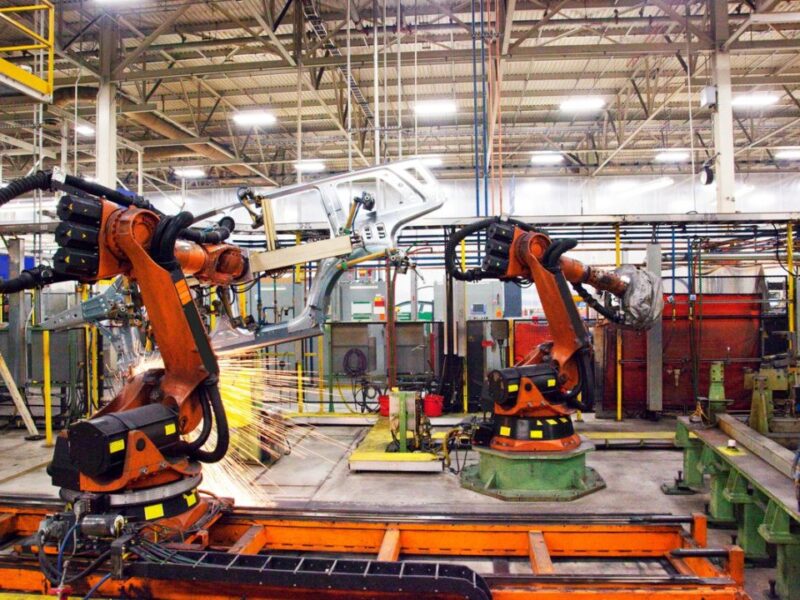
Merz has framed the initiative as a way to keep “technological options” open for carmakers and to ease pressure on Germany’s crisis-hit automotive industry, which is facing high EV investment costs and intensifying competition from China in both vehicles and batteries. As part of a broader support package, the German government is also preparing targeted subsidies, reportedly up to around €5,000, for electric and hybrid vehicles that use mostly German-made components, in an effort to shore up local value creation in the transition.
Policy uncertainty for EV roadmaps and supplier planning
Germany’s move comes as other European stakeholders argue strongly against weakening the 2035 target. Executives from Volvo and Polestar have publicly urged the EU to hold the line on the ban, warning that any delay in electrification would risk ceding further ground to Chinese competitors that are unlikely to slow down their EV push. Environmental groups have also criticised attempts to reopen the deal, suggesting that prolonged dependence on combustion technologies could undermine both climate targets and long-term industrial competitiveness.
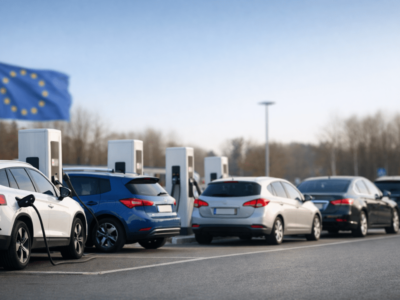
For European Tier-1s and semiconductor suppliers, the debate adds a layer of policy uncertainty to already complex product and capacity planning. A relaxation of the 2035 framework could see more investment flow into efficient combustion and hybrid control systems, power electronics for PHEVs and range-extender architectures, and emissions-aftertreatment sensing, potentially at the expense of more aggressive BEV-only roadmaps. Conversely, if the Commission and member states ultimately reject Germany’s request, the regulatory signal for a rapid shift to fully electric powertrains would be reinforced, likely accelerating demand for traction inverters, battery management ICs, on-board chargers and high-voltage safety components.
The Commission is expected to outline its broader automotive policy package, including any response to the German proposal, in December. Until then, automotive engineers and suppliers may need to plan for parallel scenarios that cover both a strict and a softened interpretation of the EU’s 2035 ban on petrol and diesel cars.
 If you enjoyed this article, you will like the following ones: don't miss them by subscribing to :