
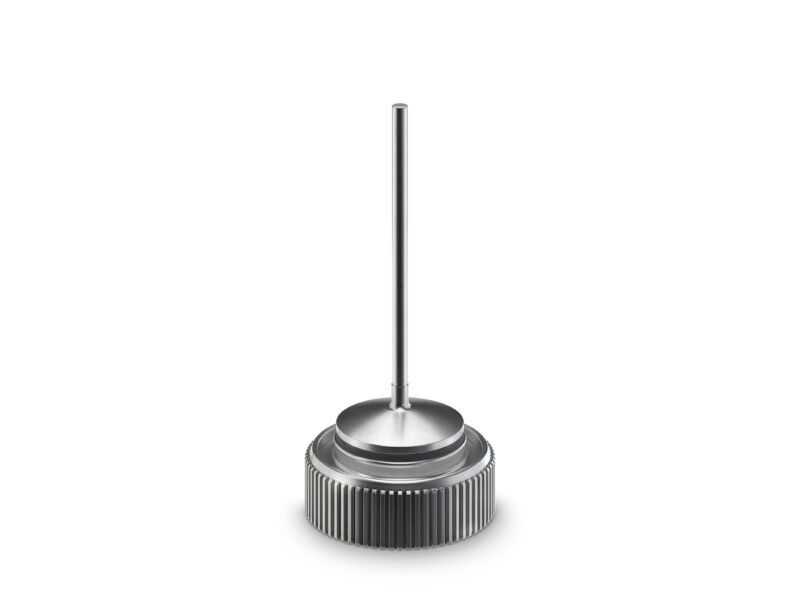
Low-loss diode for car generators reduces CO2 emissions
According to Infineon, the high efficiency of the diode facilitates the classification of generators as eco-innovations as defined by the European Union. By using the diode, the CO2 emissions of a car can be reduced by up to 1.8 g/km. Since it can directly replace standard diodes used up to now, the active rectifier diode can also be used in generators for cars that are already in series production.
In vehicles with combustion engines, the generator produces the electrical energy to charge the battery and to supply a growing number of safety and comfort features such as ADAS, air conditioning and infotainment. While generators currently typically achieve an efficiency of up to 72%, the use of the new diode enables values of over 80%.
The active rectifier diode is based on a new chip technology from Infineon that integrates MOSFETs, capacitors and control logic on a single chip, thus avoiding the complex assembly of separate chips. The Infineon chip is mounted by Bosch in a diode press-fit housing. The new diode has several unique selling points: It has an extremely low forward voltage of 0.1 V at 100 A IRMS (rms current) and has an extremely low leakage current. It also features a simple assembly process, mechanical robustness as well as high reliability and electromagnetic compatibility.
The active rectifier diode is finished at Bosch and delivered to generator manufacturers worldwide. Vehicles with this technology have already been on the market since the second half of 2020.
 If you enjoyed this article, you will like the following ones: don't miss them by subscribing to :