Off-Grid green hydrogen cooking and electricity
A first of its kind development at Loughborough University will aim to provide green hydrogen cooking and electricity for those living in off-grid communities in Africa
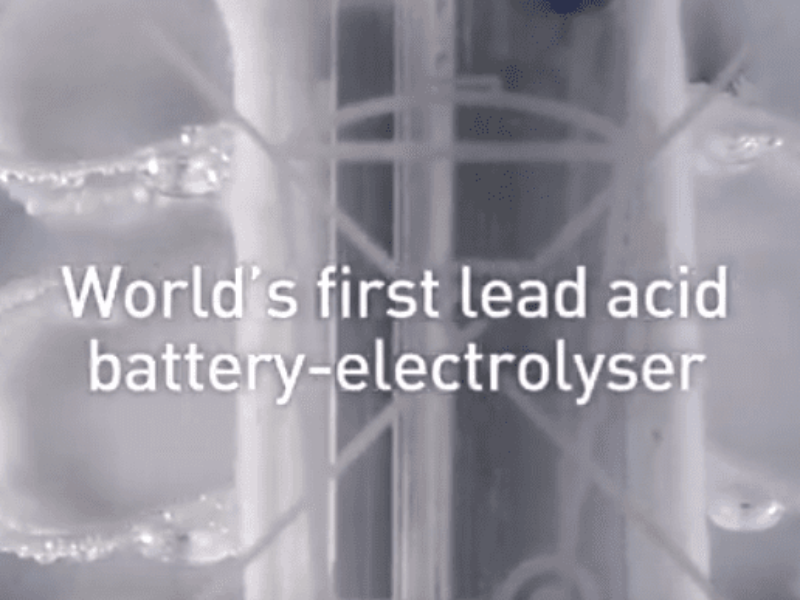
The lead acid battery-electrolyser, developed by academics at the University, aims to provide access to clean cooking and renewable energy for those living in the continent’s most remote regions by producing electricity alongside a low-cost source of green hydrogen.
The battery-electrolyser is part of the wider LoCEL-H2 project which aims to create a scalable microgrid system to support two small sub-Saharan communities that currently lack consistent fuel sources for energy and clean cooking. It’s a novel hydrogen solution that will provide a sustainable, affordable and flexible renewable energy solution and storage for remote communities that cannot currently access an existing, reliable grid infrastructure.
Lecturer in Sustainable Energy Systems at Loughborough University Dr Jonathan Wilson explains the innovation: “Traditional electrolysers which produce hydrogen have a high capital cost. This means that to justify the upfront cost, they must run continuously. Our battery-electrolyser has a significantly lower capital cost because it is both a battery and an electrolyser. The battery stores the electricity that we’ve generated from renewable sources, such as solar. Once the battery is full, we can use the energy which would usually be thrown away to generate green hydrogen.
“Furthermore, this is the first battery-electrolyser based on lead chemistry. Lead is the world’s most recycled product which allows it to be cheaply and effectively recycled back into new battery-electrolysers at the end of its life.
“This green hydrogen has a range of uses but we’ll initially be using it as a replacement for charcoal in clean cooking. The battery-electrolyser will sit at the heart of the LoCEL-H2 project as it will help power these microgrids which will be located within these remote communities.”
 If you enjoyed this article, you will like the following ones: don't miss them by subscribing to :