
Preventing car battery fires with help from machine learning
One of the most critical safety concerns for electric vehicles is keeping their batteries cool, as temperature spikes can lead to dangerous consequences
New research led by a University of Arizona doctoral student proposes a way to predict and prevent temperature spikes in the lithium-ion batteries commonly used to power such vehicles.
 Basab Goswami
The paper “Advancing Battery Safety,” led by College of Engineering doctoral student Basab Goswami, is published in the Journal of Power Sources.
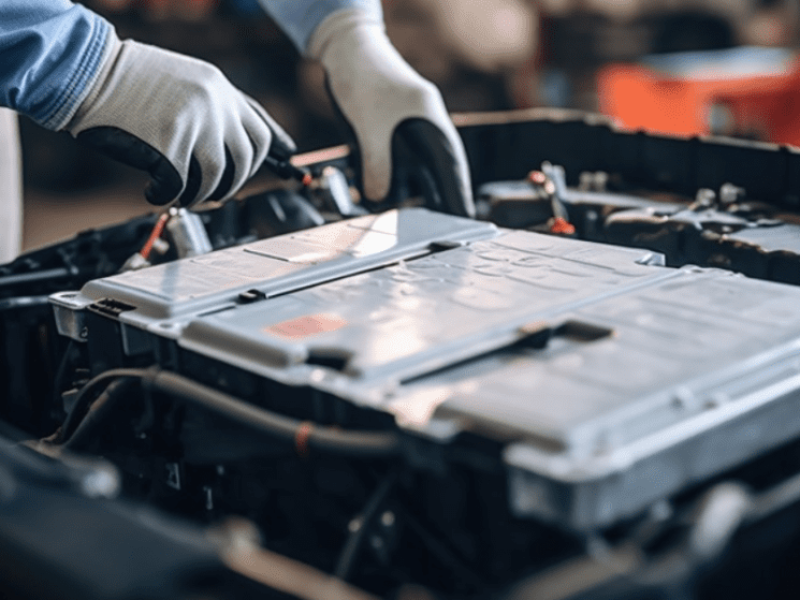
Thermal runaway can be extremely dangerous and difficult to predict. An electric vehicle battery pack is comprised of closely connected battery “cells.” Today’s electric vehicles can have more than 1,000 cells in each battery pack.
If thermal runaway occurs in one cell, nearby cells are highly likely to heat, too, creating a domino effect. If that happens, the entire battery pack of the electric vehicle could explode, Goswami said.
To prevent this, the researchers propose using thermal sensors – wrapped around battery cells – that feed historical temperature data into a machine learning algorithm to predict future temperatures. The algorithm predicts when and where a runaway event is likely to start.
“If we know the location of the hotspot (the beginning of thermal runaway), we can have some solutions to stop the battery before it reaches that critical stage,” Goswami said.
 If you enjoyed this article, you will like the following ones: don't miss them by subscribing to :