

Insulated package of power device
When using power devices, customers typically cannot ground them directly and must insulate them. This involves using screws to secure heat sinks, thermal silicone gel, and insulating gaskets, a process that is complex and time-consuming installation (see Fig. 1 below for an installation diagram). To address this pain point for customers, we have launched power devices with insulated package.
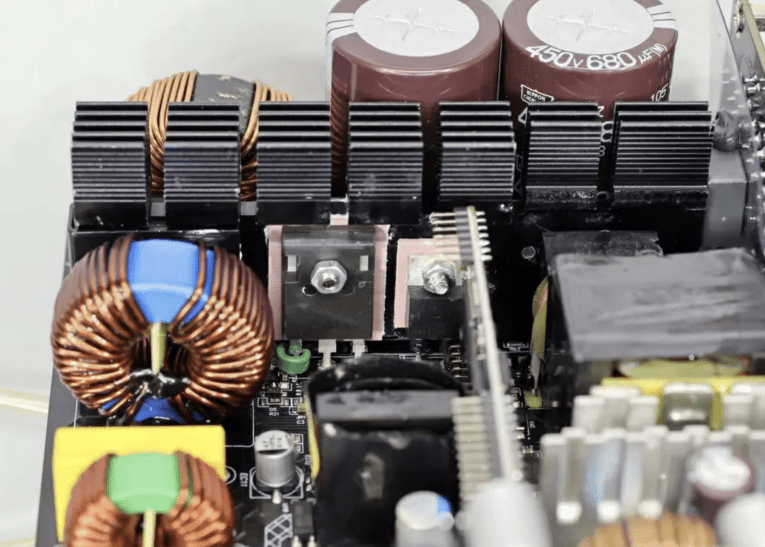
Fig 1: Device installation diagram
Insulated package is a special package technology that allows the electrical isolation between the conductive parts of the device and the heat sink on the back through an internal insulation structure, while ensuring efficient heat conduction. The internal structure is shown in Fig. 2.
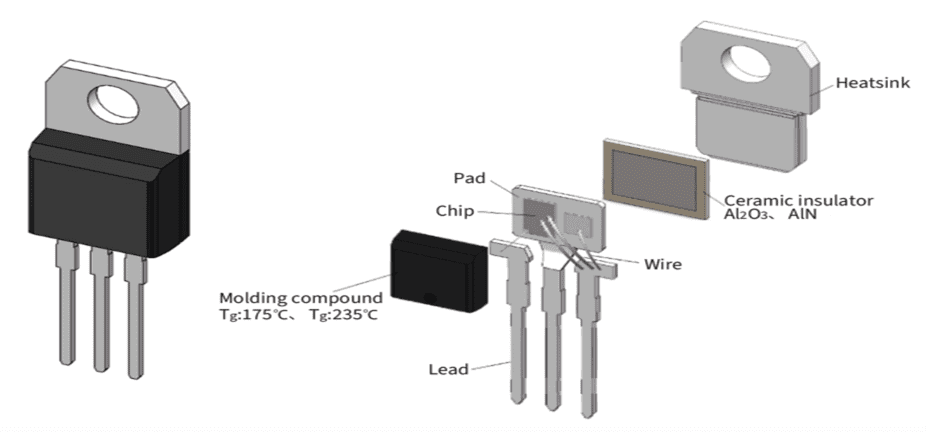
Fig 2: Internal structure of insulated packaging
Ⅰ. Characteristics and Differences from Traditional Package
1. The core characteristics of internally insulated package revolve around two key indicators: ‘insulation’ and ‘heat dissipation’:
- Innovative insulation structure: Ceramics (Al₂O₃、AlN) are used as the insulation substrate. Through internal insulation structure design, electrical isolation between the conductive parts and the heat sink is achieved without relying on external insulation components.
- High-efficiency thermal dissipation materials: Insulated ceramic materials possess excellent thermal conductivity, ensuring efficient heat transfer. Additionally, Al₂O₃ and AlN are readily available and cost-effective.
Tab1:Thermal Conductivity Comparison:
|
Ceramic material |
Ceramic materials |
Thermal conductivity comparison |
|
Al₂O₃ |
~24W/m.k @0.5mm |
1X |
|
AlN |
~170W/m.k @0.5mm |
7X |
2. Differences from Traditional Package
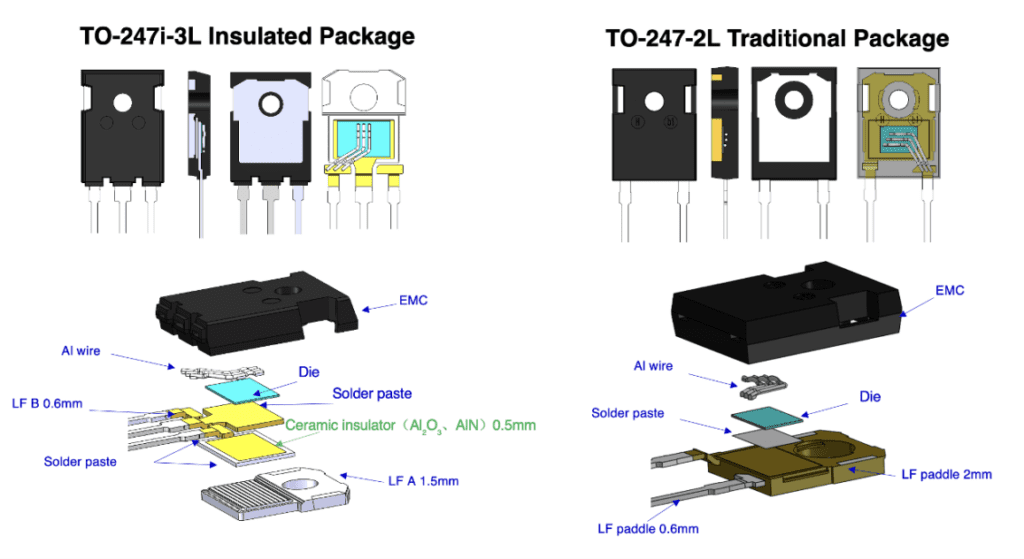
Fig 3: TO-247i-3L and TO-247-2L Comparison
The differences are mainly manifested in three aspects: structure, insulation, and performance:
|
Comparison Dimension |
TO-247i-3L |
TO-247-2L |
|
Structure |
Includes a 0.5mm thick insulating ceramic layer (Al₂O₃ or AlN). |
No internal insulating ceramic layer. |
|
Insulation Method |
Electrical isolation is achieved via an internal ceramic substrate, with no external insulation components required.
|
Isolation between the heat sink and conductive parts requires external components such as thermal silicone gel and insulating gaskets. |
|
Performance |
Better heat dissipation, lower thermal resistance. |
Higher thermal resistance. |
3. Advantages of insulated package:
- Streamlines assembly processes in the PCBA production line and improves its UPH.
- Reduces the total BOM cost of the PCBA production line, helping customers save overall manufacturing expenses.
- Eases customers’ product thermal management and enhances overall system reliability due to the device’s excellent heat dissipation capability and simplified installation process.
- Minimizes consumable usage, conserves energy, and reduces carbon emissions out of the optimization of the PCBA assembly process.
Ⅱ. Manufacturing process:
The manufacturing process of insulated package is rigorous, involving all stages from raw material inspection to finished product shipment. The detailed process is illustrated in Fig. 4.
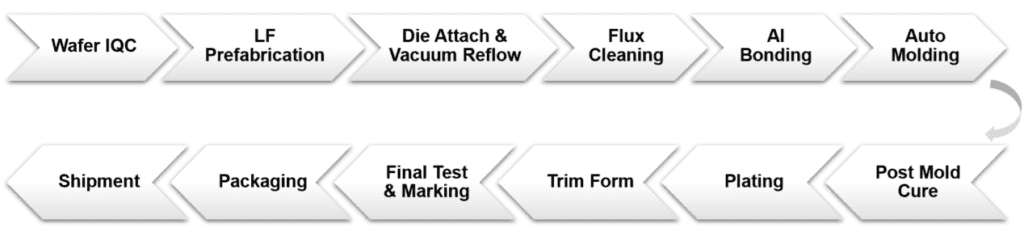
Fig 4: Internal Insulation Packaging Manufacturing Process
Ⅲ. Package and Product Type
A variety of insulated packages are already in mass production, covering a wide range of product types. The detailed products are shown in Fig. 5.
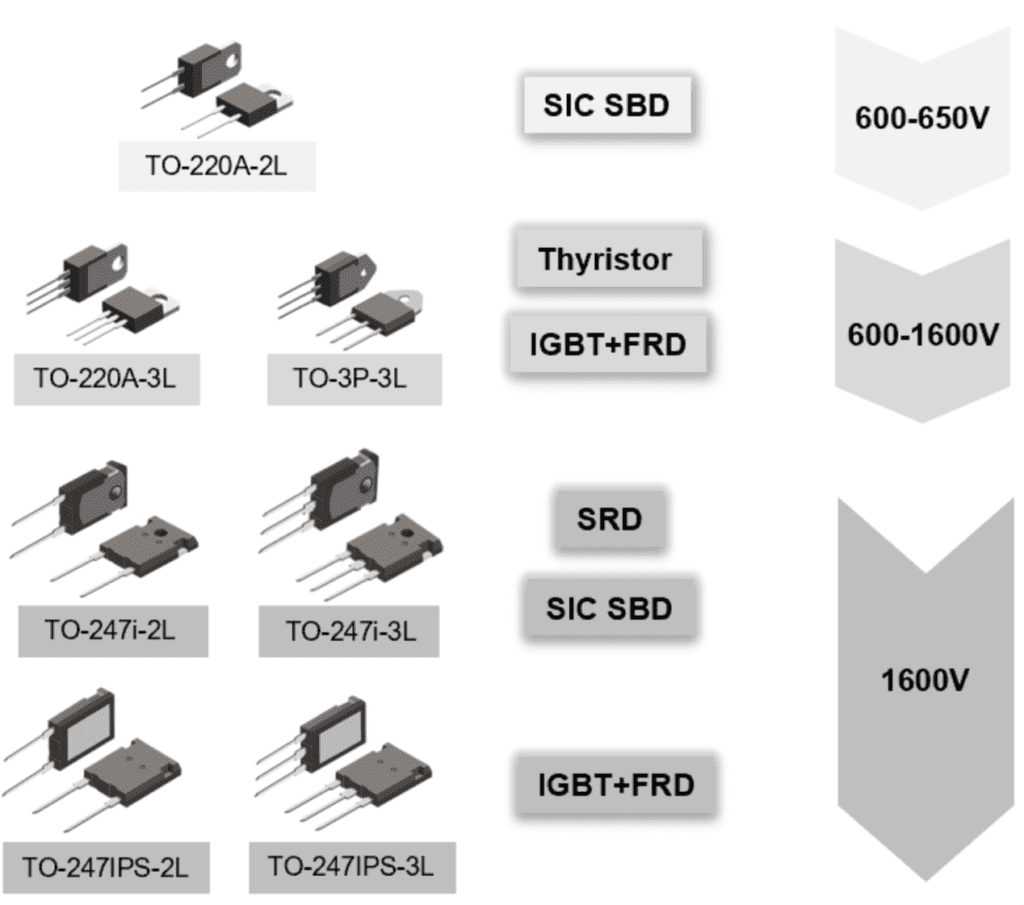
Fig 5: Mass product series
IV Typical Applications
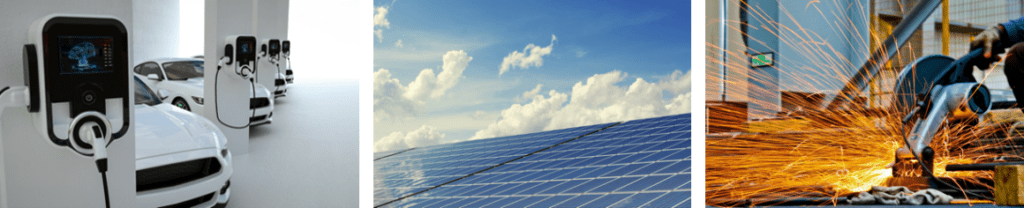
- Solar Inverters
- AC/DC Converters
- Industrial Switched Mode Power Supplies
When your project demands superior Power Device and a meticulously managed supply chain, engage Kehuite’s team as your strategic partner. We excel in every facet of Power Device distribution and are dedicated to providing robust support for your innovations.
Visit www.kehuite.com to learn how we can enhance your efficiency and accelerate development.
 If you enjoyed this article, you will like the following ones: don't miss them by subscribing to :