Raytheon to use Akida neuromorphic AI chip for radar processing
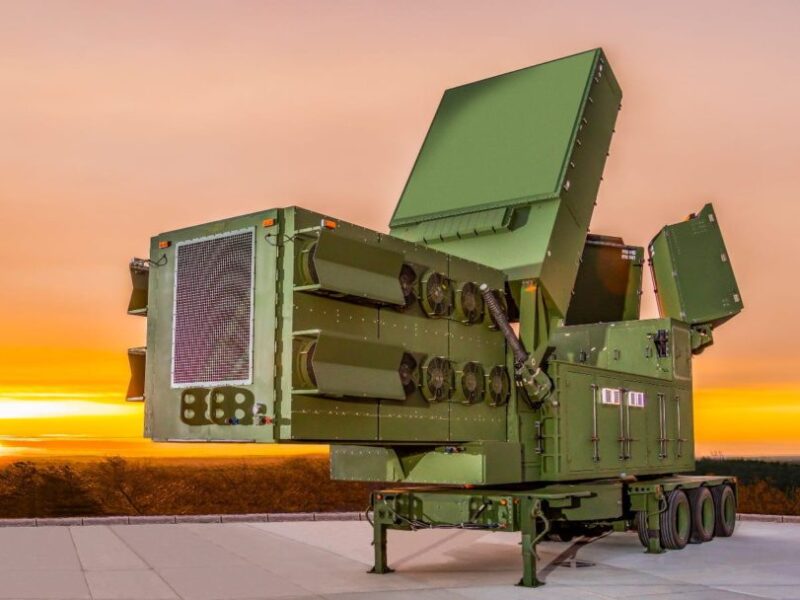
Raytheon is using the Akida neuromorphic AI chip from Brainchip in a US research project on radar signal processing.
The $1.8m contract from the Air Force Research Laboratory (AFRL) was announced in December last year to look at mapping complex sensor signal processing algorithms onto neuromorphic chips. Raytheon, part of the RTX conglomerate, has been announced as the partner to deliver services and support for the contract and so is a key collaboration for Brainchip.
The Akida neuromorphic AI processor is designed to process neural networks and machine learning algorithms at ultra-low power consumption with spiking networks that can be mapped to radar signals for edge processing systems.
- Brainchip launches edge AI box ecosystem
- Akida AI chip for epilepsy smart glasses
- Akida spiking processor could heat for FD-SOI process
“Radar signaling processing will be implemented on ever-smaller mobile platforms, so minimizing system size, weight and power (SWAP-C) is critical,” said Sean Hehir, CEO of BrainChip. “This improved radar signaling performance per watt for the Air Force Research Laboratory showcases how neuromorphic computing can achieve significant benefits in the most mission-critical use cases.”
“Radar signaling processing will be implemented on multiple airborne and mobile platforms, so minimizing system size, weight and power is critical,” he said. “The contract to improve radar signaling applications for Air Force Research Laboratory highlights how neuromorphic computing can achieve significant benefits of low-power, high-performance compute in the most mission-critical use cases. This award is a very strong endorsement from leading organizations such as AFRL for our Akida hardware and state-space AI models using Temporal Enabled Neural Network (TENNs) model offerings.”
 If you enjoyed this article, you will like the following ones: don't miss them by subscribing to :