Samsung Electronics and Red Hat partner on CXL memory
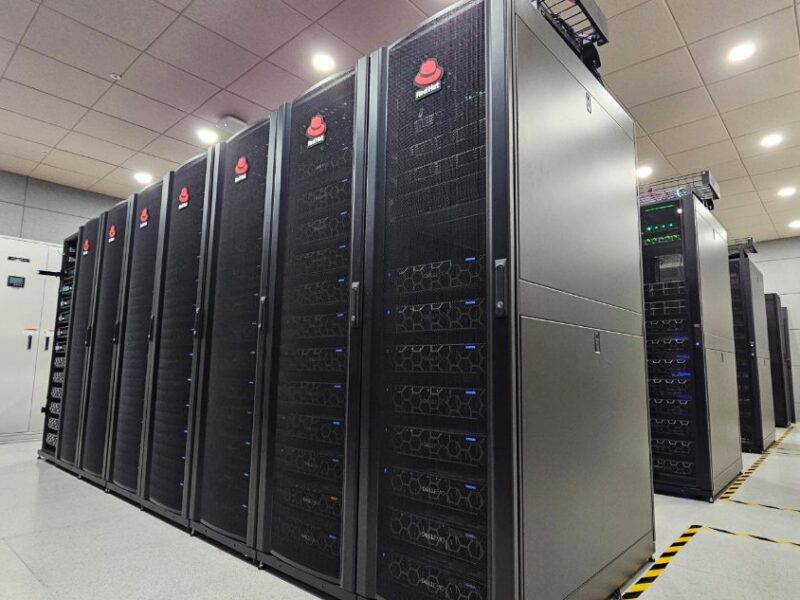
Samsung Electronics has announced that for the first time in the industry, it has successfully verified Compute Express Link™ (CXL™) memory operations in a real user environment with open-source software provider Red Hat, leading the expansion of its CXL memory ecosystem.
The exponential growth of data throughput and memory requirements for emerging fields like generative AI, autonomous driving and in-memory databases (IMDBs) are driving demand for systems with greater memory bandwidth and capacity. CXL is a unified interface standard that connects various processors, such as CPUs, GPUs and memory devices through a PCIe® interface that can serve as a solution for limitations in existing systems in terms of speed, latency and expandability.
“Samsung has been working closely with a wide range of industry partners in areas from software, data centers and servers to chipset providers, and has been at the forefront of building up the CXL memory ecosystem,” said Yongcheol Bae, Executive Vice President of Memory Product Planning at Samsung Electronics. “Our CXL partnership with Red Hat is an exemplary case of collaboration between advanced software and hardware, which will enrich and accelerate the CXL ecosystem as a whole.”
In this latest development, Samsung has optimized its CXL memory for Red Hat Enterprise Linux® (RHEL) 9.3 and verified memory recognition, read and write operations in Red Hat’s KVM and Podman environments. This allows data center clients to easily use Samsung’s CXL memory without having to make additional adjustments to their existing hardware.
“The successful verification of Samsung’s CXL Memory Expander interoperability with Red Hat Enterprise Linux is significant because it opens up the applicability of the expander to IaaS1 and PaaS2-based software provided by Red Hat,” said Marjet Andriesse, Senior Vice President and Head of Red Hat Asia Pacific. “This is an important milestone in the integration of hardware and software to build an open-source ecosystem for next-generation memory development.”
The two companies first signed a memorandum of understanding (MOU) in May 2022 to collaborate on next-generation memory and will continue their efforts through the Samsung Memory Research Center (SMRC) in developing CXL open-source and reference models. The ongoing partnership covers a range of storage and memory products, including NVMe SSDs, CXL memory, computational memory/storage and fabrics.
www.samsung.com/uk
www.redhat.com
Related news
9.6 Gbps memory controller IP boosts AI performance
3D flash memory delivers leap in performance and density
Second-generation at-memory compute architecture unveiled
2D ferroelectric memory with lateral bottom contact for higher density
GlobalFoundries, Microchip announce 28-nm embedded flash memory
 If you enjoyed this article, you will like the following ones: don't miss them by subscribing to :