Transport digital twin roadmap aims to ease UK tech fragmentation
The UK’s Transport Research and Innovation Board (TRIB) has launched a roadmap for a network of transport digital twins to try to tackle the problems of fragmentation in areas such as the electric vehicle charging network.
The roadmap was launched at the inaugural Connected Digital Twins Summit, hosted by the Connected Places Catapult accelerator and the Digital Twin Hub.
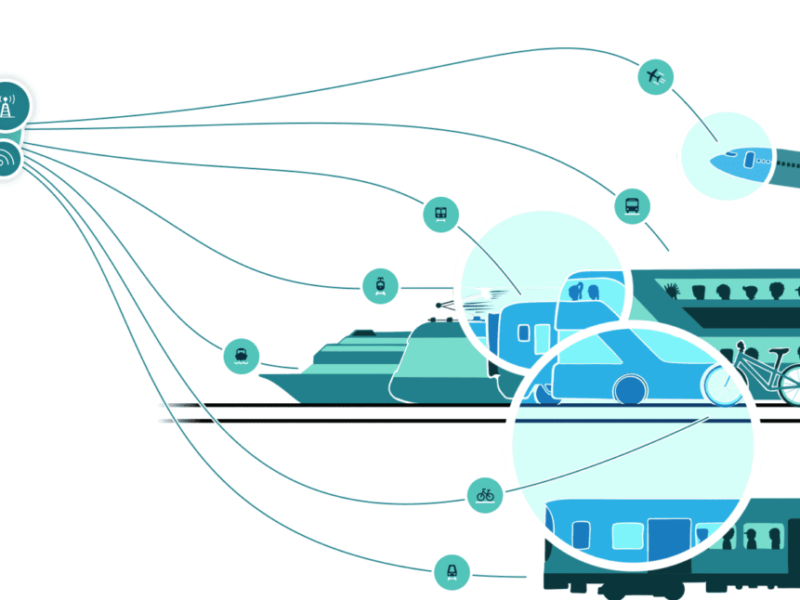
However the vision for 2035 is short on detail and actual plans to solve the problems and doesn’t include key technology partners. The plan sees a federated network of digital twins, which will require sophisticated data interchange standards to tackle fragmentation.
Digital twin articles
- Siemens highlights digital twin technology with 5G
- First exchangeable digital twin boosts industrial automation
- Siemens to build digital twin of Australia’s energy grid
Instead the Roadmap sets out a series of activities to 2035 that key stakeholders within the transport ecosystem need to undertake, with the prospect committed support. of a £20m project to develop a digital twin hub over the next five years but no funding commitment. The roadmap details the steps required to deliver the vision for connected digital twins across four key areas: strategy and innovation; enabling environment; people, skills and culture; and technology and data.
This mirrors the ill-fated UK semiconductor strategy for a lack of committed support for a key area of technology as there are many developers of transport and city-based digital twin systems and tools.
- NNAISENSE moves into AI-based city digital twins
- Smart city digital twin developer raises €10m
- Yokogawa backs European digital twin tool developer
“The potential value of technologies like digital twins, AI and robotics increases as they start to converge to form a cyber-physical infrastructure where new products and services can be developed which can lead to the seamless connection of autonomous vehicles and transport,” says the UK department of transport.
As part of the Vision and Roadmap, the Department of Science, Innovation and Technology sponsored six SMEs to develop use cases, illustrating the ways in which digital twin technology can provide value to the transport sector, including:
Slingshot Simulations, which has developed a digital twin called Compass Engine to predict the impact of introducing changes to the highway network in urban areas, such as closing certain roads to reduce emissions.
Digilab is building a digital twin called twinAir which monitors air pollution from road traffic in real time. The company has created what it calls a ‘physics informed surrogate’ for the city of Exeter that collects air quality data from the roadside. It then scales this information to provide a more accurate picture of traffic related pollution right across the city.
OpenSpace is helping railway station operators harness digital twins to put passengers at the heart of decision-making. Its digital twin solution fuses real-time passenger detection, virtual spaces, analytics and visualisation to provide intelligence to help boost the customer experience, increase revenues and reduce costs.
- Fragmented electric vehicle charging networks hit users
- UK publishes long delayed Semiconductor Strategy
- Underwhelming semiconductor strategy is set up to fail
A competition to select a Research Leader for Digital Twins to Decarbonise Transport has been run by UK Research and Innovation (UKRI) agency. These include Professors Philip Greening of Heriot-Watt University and David Flynn of the University of Glasgow with their TransiT project, who will now work with stakeholders to the create a proposal for a national research hub that, if successful, will be supported by a UKRI investment of up to £20m over five years.
“The UK is a global leader in transport technology partnering with industry,” said Transport Technology and Decarbonisation Minister Jesse Norman. “The Vision and Roadmap for Digital Twins shows how the Department for Transport is supporting innovative digital twin technologies for a cleaner, greener and more efficient transport system.”
“This roadmap shows how we can go from pockets of excellence with this technology, to wider implementation across our towns and cities. Only then will we be able to realise this technology’s potential to deliver greener, multi-modal transport at scale,” said Paul Wilson, Chief Business Officer at Connected Places Catapult and member of the Transport Research and Innovation Board.
cp.catapult.org.uk/; trib.org.uk/roadmap
 If you enjoyed this article, you will like the following ones: don't miss them by subscribing to :